

The Buzz

Get all of your UK pest control updates here at The Buzz!

December 15, 2025

Fox Breeding Season UK: Risks for Commercial and Agricultural Sites

As winter settles in across the UK, fox activity increases significantly, particularly during the fox breeding season, which typically runs from December through to February. For commercial premises, farms and rural estates, this seasonal behaviour can present risks to land stability, infrastructure, waste control and biosecurity.

Understanding why foxes behave differently in winter, and knowing what signs to look for, allows businesses and landowners to identify issues early and reduce long-term impact.

When is Fox Breeding Season in the UK?

Fox breeding season occurs during the winter months, with mating usually taking place between December and February. During this period, foxes become more mobile, vocal and territorial as they search for mates and prepare den sites ahead of cubs being born in early spring.

This heightened activity often brings foxes closer to commercial buildings, agricultural structures and operational areas.
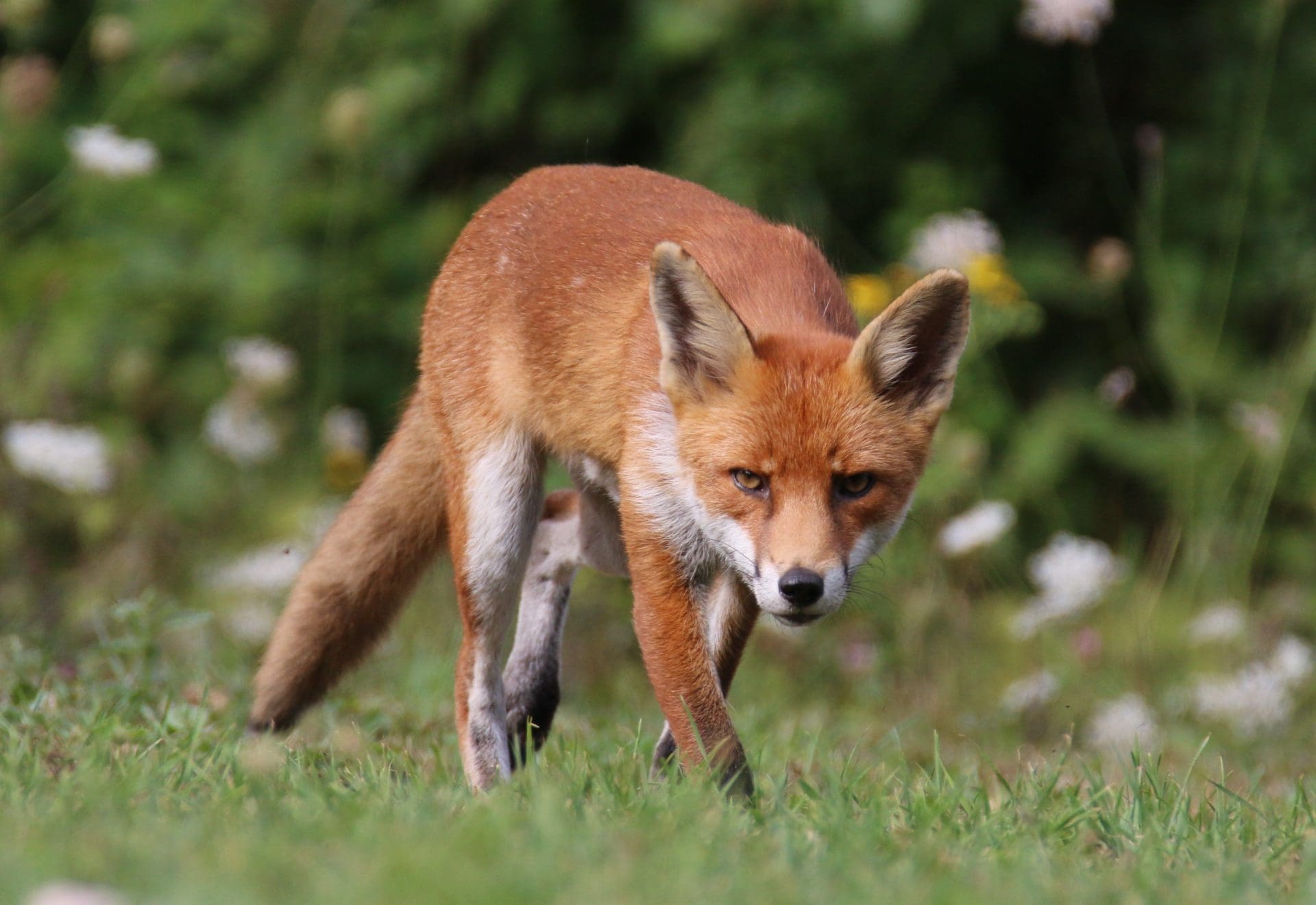

Why Foxes Target Commercial and Agricultural Sites in Winter

Commercial and rural environments provide foxes with ideal winter conditions, including:

  • Accessible food sources, such as waste areas, livestock feed and spillage
  • Shelter, including barns, sheds, containers, voids beneath buildings and dense vegetation
  • Reduced disturbance, particularly on quieter sites during winter
  • Large territories suitable for denning and territorial behaviour

As a result, foxes may appear bolder and more visible, including during daylight hours.

Signs of Fox Activity to Look Out For

Early identification is key. Common indicators of fox presence include:

  • Loud screaming or barking noises, particularly overnight
  • Digging beneath buildings, storage units, fencing or sheds
  • Droppings left in prominent locations to mark territory
  • Damage to waste storage areas or food sources
  • Strong, musky odours near suspected den sites

Fox activity close to operational areas can create biosecurity risks, especially for food production, farming and logistics environments.

Risks of Unmanaged Fox Activity

If left unmanaged, fox activity can result in:

  • Structural damage caused by digging and denning
  • Increased health and safety risks
  • Contamination risks around waste and food handling areas
  • Disruption to daily operations
  • Ongoing territorial behaviour that worsens during spring

Winter monitoring is critical, as fox behaviour during this period often intensifies once cubs are born.

Monitoring Fox Activity During Winter

Regular inspections should focus on:

  • Building perimeters and foundations
  • Waste and recycling areas
  • Quiet or undisturbed sections of land
  • Areas with previous fox activity

Identifying early signs allows for responsible, compliant wildlife management and protects both property and operations.

Contact Us

If you’re facing issues with foxes on your property, acting early is essential to prevent future problems. Our team have the expertise to provide effective fox control services while ensuring full compliance with UK laws.

For immediate assistance or to arrange a visit, call us on 0344 335 0330. With Vergo Pest Management, professional pest control is always nearby.


PEST CONTROL EXPERTS
Call us today
0344 335 0330

Get all of your UK pest control updates here at The Buzz!

BPCA LogoBusiness Growth Award - WINNER!BPCA Logo

Welcome to Vergo

Do you have a pest or property care problem?
We're here to help.